The Flossing Habit Most Parents Start Too Late
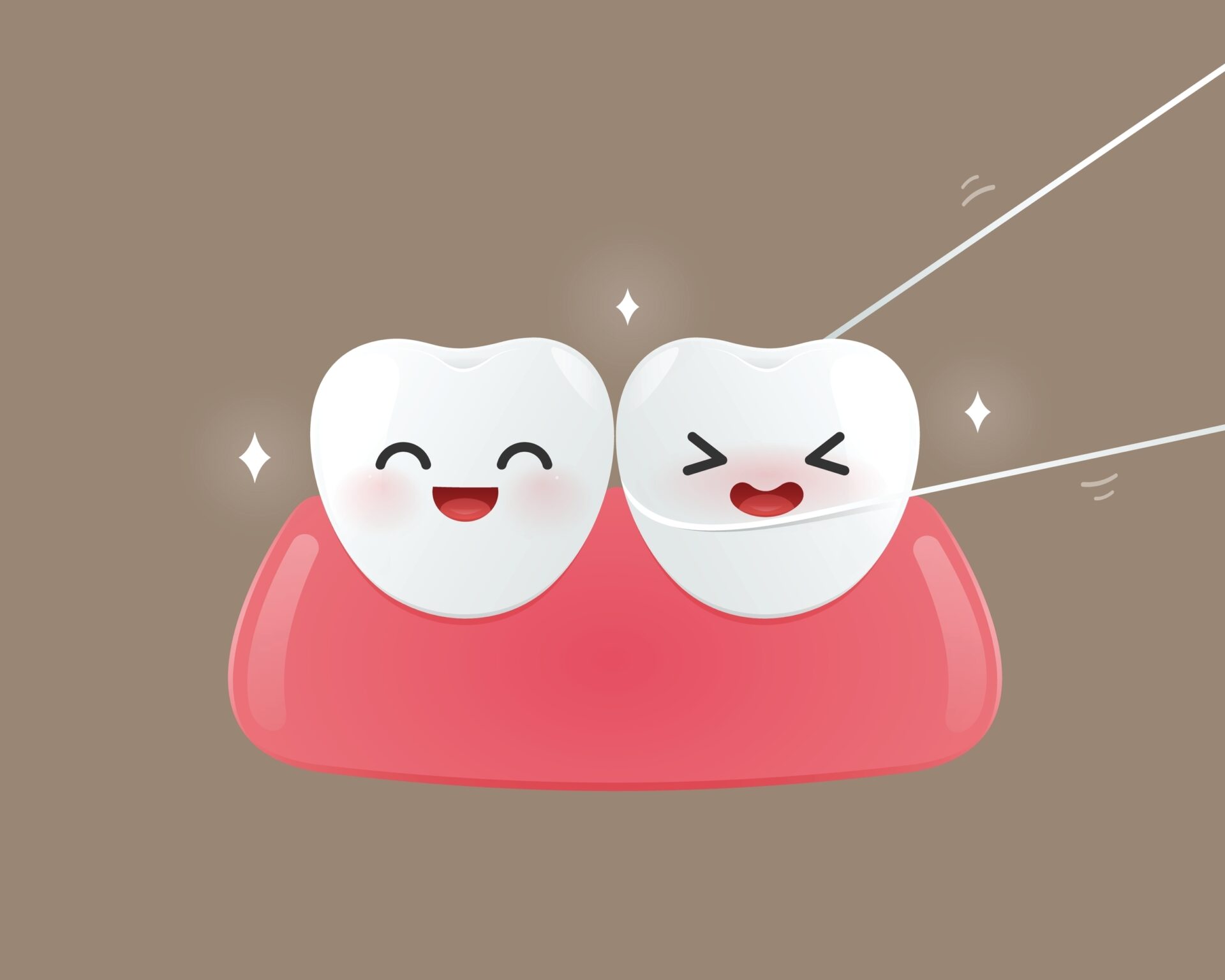
Ask most parents when kids should start flossing, and the most common answer is somewhere around elementary school, maybe when they can do it themselves. The actual answer is much earlier than that. Children should begin flossing as soon as two teeth are touching side by side, which can happen as early as age two or three. Once teeth are in contact, a toothbrush cannot reach the space between them, and that is exactly where cavities tend to form first in young children.
At Dental Care Group Kids, we talk about flossing at nearly every appointment. Parents in Aventura, Pembroke Pines, Hallandale Beach, Hollywood, and Sunny Isles Beach are often surprised to learn how early this habit should begin. The good news is that starting young also means building the habit before resistance sets in.
Call our Aventura family dentists at (305) 935-1613 or our Pembroke Pines family dentists at (954) 430-2300 to schedule a visit. Good dental hygiene starts with the right information, and we’re always here to help.
Why Flossing Matters More Than You Might Think
 Brushing removes plaque from the surfaces of teeth. Flossing removes plaque from between them. These are two different jobs, and one cannot substitute for the other.
The spaces between teeth are warm, dark, and consistently missed. Left uncleaned, plaque builds up there and produces acids that eat through enamel. Interproximal cavities, the kind that form between teeth, are among the most common we see in children. Most of them are preventable with consistent flossing.
Gum health is equally at stake. Plaque that accumulates along the gumline between teeth causes inflammation, and early gum disease in children can affect both baby teeth and the developing permanent teeth beneath them.
Flossing by Age: What to Do and When
Ages 2 to 3
Begin flossing as soon as any two teeth touch. At this age, you are doing all the work. Have your child lie back on your lap or a flat surface so you have a clear view. Use soft, waxed floss and work gently between each pair of touching teeth in a C-shape motion. Keep sessions brief and calm.
Ages 4 to 6
Your child can start to become more involved, watching in the mirror and understanding what you are doing, but your hands should still be doing the flossing. Floss picks are helpful at this age because they are easier to maneuver in a small mouth than traditional floss on fingers.
Ages 7 to 10
Many children can begin practicing on their own at this stage, but dexterity varies widely. Watch them floss and offer corrections. A water flosser can be a helpful supplement for kids who struggle with traditional floss, but it should not fully replace it until the technique is established.
Ages 11 and up
Independent flossing should be the expectation by this point. Teenagers with braces need extra guidance, since floss threaders or orthodontic flossers are required to clean properly under wires.
Products That Actually Help
The flossing aisle can feel overwhelming. Here is a practical breakdown of what works well for children:
 Waxed floss slides more easily between tight teeth and is gentler on gums than unwaxed varieties. It is a solid starting point for most families.
- Floss picks are widely popular for younger children because they eliminate the finger-wrapping step. They are less thorough than traditional floss for some spaces, but they are far better than not flossing at all and tend to improve compliance.
- Floss threaders are small, flexible needles that guide floss under orthodontic wires. If your child is in braces, these are a practical necessity.
- Water flossers use a stream of pressurized water to clean between teeth. They are effective and well-accepted by kids who dislike traditional floss, and they are especially helpful around braces, bridges, and back teeth that are harder to reach. Check with our team about whether a water flosser is a good fit for your child’s specific situation before making it a full replacement.
 Waxed floss slides more easily between tight teeth and is gentler on gums than unwaxed varieties. It is a solid starting point for most families.
Making Flossing a Habit (Without a Nightly Battle)
Consistency matters far more than perfection. A child who flosses four out of seven nights is doing substantially better than one who never flosses because the routine feels like too much.
A few things that help:
- Connect it to something that already happens. Flossing right after brushing, or immediately after a bath, works better than leaving it as a separate, standalone task.
- Let them choose. Giving kids agency over which floss picks they use, what flavor, if any, or which hand mirror to watch themselves with builds buy-in.
- Do it together. Young children who watch a parent floss alongside them absorb the habit as something normal rather than a chore imposed on them specifically.
- Keep expectations age-appropriate. A six-year-old who flosses with your help every night is doing exactly the right thing. Do not wait until they can do it independently before starting.
 Connect it to something that already happens. Flossing right after brushing, or immediately after a bath, works better than leaving it as a separate, standalone task.
How Our Team Supports Healthy Flossing Habits
At every appointment at Dental Care Group Kids, our hygienists check flossing progress and demonstrate technique directly with your child in the chair. We make it hands-on and age-appropriate rather than a lecture. If we notice areas between teeth where plaque is consistently building up, we will point those out and work with your child on reaching those spots more effectively at home.
We also use X-rays during dental exams to catch interproximal cavities early, when they are still small and simple to address. The best outcome is catching the cavity before it becomes a problem, and good flossing habits are the first line of defense.
Schedule a Cleaning at Our Aventura or Pembroke Pines Office
If your child has never had a flossing conversation at a dental appointment, or if it has been a while since their last checkup, we would love to see them. Dental Care Group Kids welcomes families from Aventura, Pembroke Pines, Hallandale Beach, Hollywood, and Sunny Isles Beach. Call our Aventura office at (305) 935-1613 or our Pembroke Pines office at (954) 430-2300 to schedule a visit. Building great habits early is one of the best gifts you can give your child’s long-term health.