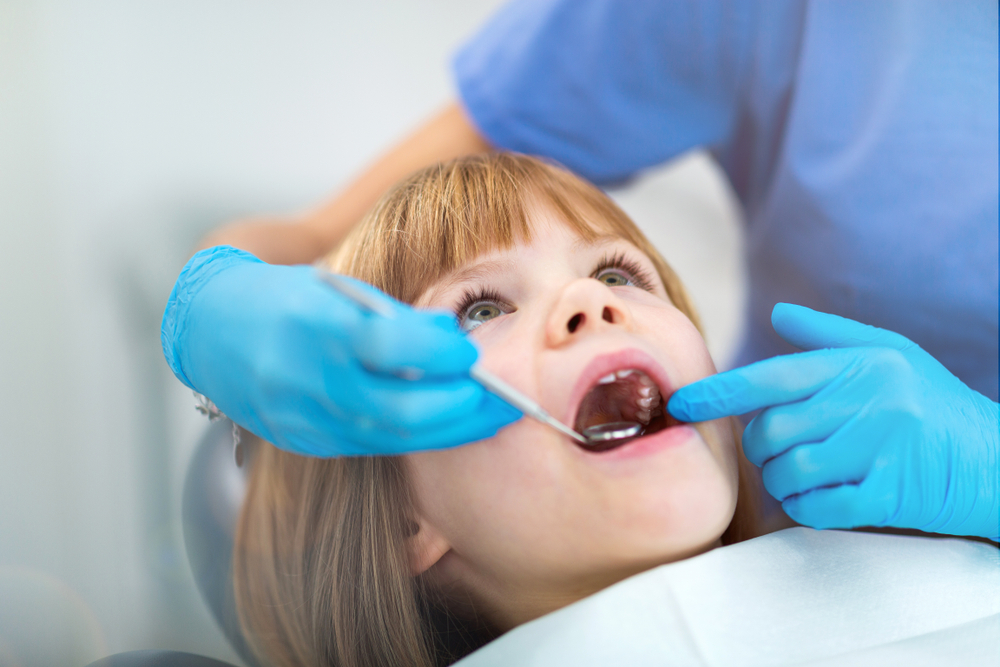
Rebuilding Strong, Beautiful Smiles After Damage or Decay
When your child experiences tooth decay, a fracture, or even loses a tooth entirely, it affects far more than just their appearance. Damaged teeth can cause pain, difficulty eating, speech problems, and self-consciousness that impacts their confidence at school and with friends. The good news is that modern pediatric dental restorations can repair these issues beautifully, restoring both function and aesthetics while protecting your child’s developing smile.
At Dental Care Group Kids, we specialize in gentle, effective restorations that look and feel natural. Call our Aventura office at (305) 935-1613 or our Pembroke Pines dental practice at (954) 430-2300 to schedule a consultation. We proudly serve families in Aventura, Pembroke Pines, Hollywood, and North Miami Beach.
Why Choose Dental Care Group Kids for Cosmetic Restorations
Our pediatric dentists bring over 25 years of experience in pediatric restorative dentistry to every appointment. Here’s what makes our approach different:
- Child-focused techniques: We use gentle methods and take extra time to help anxious children feel safe and comfortable throughout treatment
- Natural-looking materials: Tooth-colored fillings and crowns that blend seamlessly with your child’s smile
- Comprehensive solutions: From simple fillings to complex bridgework, we handle all restoration needs in-house
- Growth-minded planning: We consider your child’s developing bite and future tooth eruption when designing restorations
- Voted Best Dental Office in Miami-Dade 2024: Recognized by the Miami Herald for exceptional patient care and results
What Are Cosmetic Restorations?
 Cosmetic restorations are dental treatments that repair damaged, decayed, or missing teeth while restoring both function and appearance. These procedures use durable, biocompatible materials to rebuild tooth structure, protect remaining healthy tissue, and maintain proper bite alignment.
For children, restorations serve the critical purpose of preserving space for permanent teeth, preventing further damage, and ensuring normal development of the jaw and bite. Modern pediatric restorations combine strength with aesthetics, using tooth-colored materials that look natural while standing up to the demands of chewing and daily wear.
Types of Cosmetic Restorations Available for Younger Patients
We offer several restoration options depending on the extent of damage and your child’s specific needs:
- Composite fillings: Tooth-colored resin material that repairs cavities and minor fractures; bonds directly to tooth structure and can be color-matched perfectly to natural teeth
- Stainless steel crowns: Highly durable metal caps that cover severely decayed or broken primary teeth; extremely strong and cost-effective for back molars
- Tooth-colored crowns: Ceramic or zirconia crowns for front teeth or older children who want a more natural appearance; provide excellent aesthetics with strong protection
- Composite bridgework: Custom-shaped replacement teeth bonded to adjacent teeth without removing healthy structure; ideal temporary solution while children are still growing
- Removable partial bridges: Denture-like appliances that fill gaps from missing teeth; maintain spacing and provide reasonable aesthetics at a lower cost
Benefits of Pediatric Cosmetic Restorations
Restoring damaged or missing teeth provides advantages that extend well beyond appearance:
- Prevents further tooth decay: Fillings and crowns seal out bacteria and stop cavities from spreading deeper into the tooth or affecting neighboring teeth
- Maintains proper spacing: Bridges and crowns prevent remaining teeth from drifting into empty spaces, which can cause bite problems and make permanent teeth erupt incorrectly
- Restores comfortable chewing: Children can eat normally again without pain or sensitivity, ensuring proper nutrition and healthy eating habits
- Protects remaining tooth structure: Crowns shield weakened teeth from additional fractures and extend the life of damaged primary teeth until they naturally fall out
- Improves speech development: Missing or severely damaged front teeth can interfere with pronunciation; restorations help children speak clearly and confidently
- Boosts self-esteem: Natural-looking restorations eliminate embarrassment about damaged or discolored teeth, helping children smile freely
- Prevents jaw problems: Maintaining proper bite alignment through restorations helps jaw joints develop correctly and prevents painful TMJ issues later
- Cost-effective long-term: Addressing problems early with restorations prevents more extensive and expensive treatments down the road
Who Is a Good Candidate?
Most children with dental damage can benefit from restorative treatment. Your child may need restorations if they have:
 Cavities that need treatment: Decay that has created holes or soft spots in teeth, requiring removal and filling
- Fractured or chipped teeth: Damage from falls, sports injuries, or biting hard objects that has broken tooth structure
- Severe tooth decay: Extensive cavities that have compromised too much structure for a simple filling to work effectively
- Discolored or unsightly teeth: Dark metal fillings, stained teeth, or developmental defects that affect appearance and confidence
- Missing teeth: Gaps from premature tooth loss due to trauma, extraction, or congenital absence
- Teeth requiring pulpotomy: Teeth that needed nerve treatment and now require a crown for protection
- Baby teeth with extensive damage: Primary teeth that need to last several more years before permanent teeth arrive
The Cosmetic Restoration Process
The restoration process varies depending on which treatment your child needs. Here’s what to expect:
1. Comprehensive Examination
We examine the affected tooth, take digital X-rays to assess damage extent, and evaluate how the problem affects surrounding teeth and bite alignment. We discuss all treatment options and answer your questions.
2. Treatment Planning and Preparation
For fillings, we numb the area and remove decayed portions. For crowns, we prepare the tooth by reshaping it. For bridges, we assess adjacent teeth and plan the design.
3. Material Selection
We help you choose between stainless steel and tooth-colored materials based on location, durability needs, aesthetic preferences, and budget. Front teeth typically receive tooth-colored restorations for a natural appearance.
4. Restoration Placement
Fillings are placed and shaped in a single visit. Crowns require two appointments—the first for preparation and temporary placement, the second for permanent crown cementation. Bridges follow similar timelines depending on complexity.
5. Bite Adjustment and Polishing
We check that your child can bite comfortably and make any necessary adjustments. The restoration is polished smooth to prevent irritation and ensure a natural feel.
6. Care Instructions and Follow-Up
We provide detailed guidance on caring for the restoration and schedule follow-up appointments to monitor healing and ensure the restoration is functioning properly as your child grows.
Caring for Your Child’s Restorations
Proper maintenance helps restorations last as long as possible while protecting surrounding natural teeth:
 Brush twice daily: Use fluoride toothpaste and a soft-bristled brush, paying extra attention to the margins where restorations meet natural tooth structure
- Floss carefully: Clean between teeth daily, sliding floss gently up and down rather than snapping it, which can dislodge restorations
- Avoid hard and sticky foods: Keep children away from hard candies, ice, popcorn kernels, and sticky caramels that can crack crowns or pull out fillings
- Use mouthguards for sports: Protect restorations from impact damage during any contact sports or high-risk activities
- Don’t grind teeth: If your child grinds at night, ask about a nightguard to prevent wearing down or breaking restorations
- Attend regular dental checkups: Visit every six months so we can monitor restoration integrity and catch any problems early
- Watch for changes: Contact us immediately if restorations feel loose, rough, or painful, or if you notice darkening around the edges
Keep restored teeth healthy! Call (305) 935-1613 in Aventura or (954) 430-2300 in Pembroke Pines to schedule your child’s checkup and restoration monitoring appointment.
Cost & Financing
The cost of pediatric restorations varies based on the type of treatment, materials used, and complexity of the case.
- Composite fillings: Typically range from $150 to $300 per tooth, depending on size and number of surfaces involved
- Stainless steel crowns: Generally cost$300 to $500 per tooth; excellent value for durability and protection
- Tooth-colored crowns: Range from $400 to $800, depending on material and tooth location; higher cost reflects superior aesthetics
- Bridges and composite bridgework: Costs vary widely from $500 to $1,500 based on how many teeth are being replaced and design complexity
- Insurancetypically covers restorations: Most dental plans cover 50-80% of restorative procedures; we’ll verify your benefits and provide cost estimates before treatment
- Flexible payment options available: We accept CareCredit, offer payment plans, and work with all major credit cards to make treatment affordable
Important Considerations & Alternatives
Primary Teeth Still Need Treatment
Some parents wonder if baby teeth with cavities really need treatment since they’ll eventually fall out anyway. The answer is yes—untreated decay can cause pain, infection, and abscesses that damage developing permanent teeth beneath. Primary teeth also maintain critical spacing for permanent teeth and help children eat and speak properly.
Common Alternatives
- Tooth extractioninstead of restoration: Removing severely damaged teeth is an option, but it can lead to spacing problems requiring orthodontics later; generally avoided when restoration is possible
- Space maintainers after extraction: If a tooth must be removed, metal appliances can hold the space open for the permanent tooth
- Waiting and monitoring: Very minor chips or small cavities in teeth near exfoliation may be watched rather than treated; only appropriate in specific circumstances
Possible Side Effects
- Temporary sensitivity: Teeth may feel sensitive to cold or pressure for a few days after restoration placement; this typically resolves quickly
- Restoration failure: Fillings can crack or fall out, and crowns can become loose; this usually happens from excessive force or inadequate oral hygiene
- Allergic reactions: Extremely rare allergic responses to dental materials can occur; we use biocompatible materials to minimize this risk