Helping Anxious Kids Get the Dental Care They Need
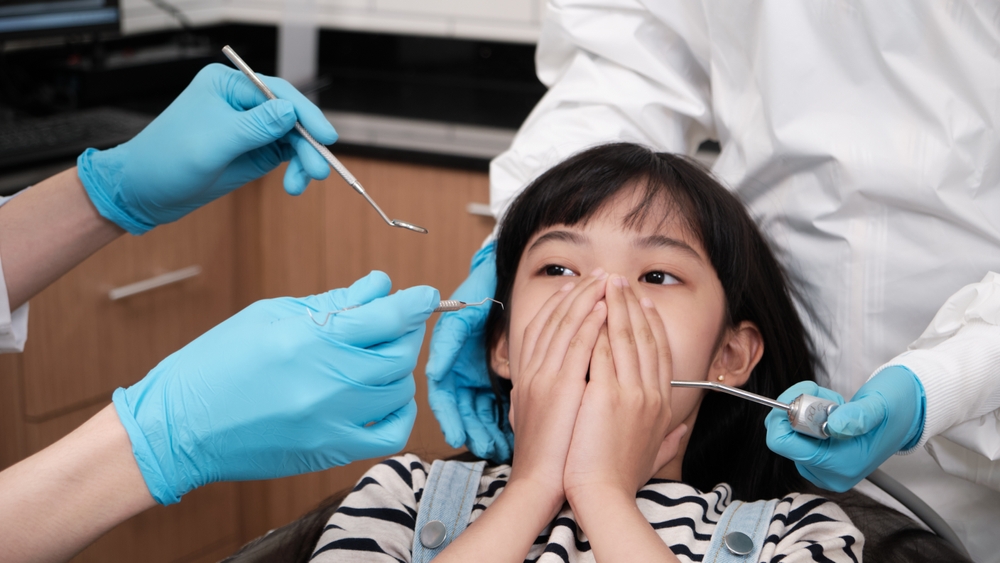
Dental anxiety is real. For some children, the sights, sounds, and sensations of a dental office can feel genuinely overwhelming, making even a simple cleaning feel like a major hurdle. At Dental Care Group Kids, we believe no child should go without necessary dental care because of fear. Our sedation dentistry options are designed to help anxious children stay calm, comfortable, and safe throughout their visit so they can get the care their smiles need.
Serving families in Aventura, Pembroke Pines, and surrounding communities, including Hallandale Beach, Hollywood, and Sunny Isles Beach, our pediatric dental team has over 25 years of experience helping children feel at ease in the dental chair. If your child has been avoiding the dentist due to anxiety, we are here to help. Call our Aventura dental office at (305) 935-1613 or our Pembroke Pines dental office at (954) 430-2300 to talk through your child’s needs.
Our Multilingual, Child-Centered Team
At Dental Care Group Kids, we understand that great dental care means more than just clinical skill. It means helping children and families feel genuinely supported. Our team speaks English, Spanish, and other languages, so we can communicate clearly and comfortably with families throughout South Florida.
We also understand that parents have questions and sometimes worries of their own when it comes to sedation. We welcome those conversations. Our dentists take time to walk you through every aspect of the process so that you feel confident about the care your child is receiving.
What Is Pediatric Sedation Dentistry?
 Sedation dentistry uses medication to help patients relax during dental procedures. For children, it serves a specific purpose: it allows kids who feel anxious, fearful, or unable to cooperate during treatment to receive thorough, safe dental care without distress.
Sedation is not the same as anesthesia. Your child remains monitored throughout the procedure, and our team follows strict protocols to prioritize their safety at every step. The type of sedation recommended depends on your child’s age, medical history, level of anxiety, and the procedure being performed.
Types of Sedation We Offer
At Dental Care Group Kids, our pediatric dentists offer two forms of sedation for children who need additional support during dental treatment.
Oral Sedation
Oral sedation involves your child taking a prescribed medication by mouth before the appointment. It produces a relaxed, drowsy state that reduces anxiety without putting your child fully to sleep. Most children remain awake and able to respond to gentle direction but feel calm and comfortable throughout the visit. Oral sedation is commonly used for children with mild to moderate anxiety or for longer procedures that require extended cooperation.
Because the medication takes time to take effect and to wear off, you will need to plan for your child to rest at home for the remainder of the day after their appointment. Our team will give you clear pre-appointment and post-appointment instructions so you know exactly what to expect.
IV Sedation
IV sedation delivers medication directly through the bloodstream, producing a deeper level of relaxation. It takes effect quickly and allows our dental team to adjust the level of sedation as needed throughout the procedure. IV sedation is typically recommended for children with significant dental anxiety, those who need extensive treatment completed in a single visit, or children with special needs who find cooperation during treatment particularly difficult.
When IV sedation is used, our team monitors your child’s vital signs continuously throughout the appointment. Your child will feel no discomfort and will likely have little to no memory of the procedure afterward.
Who Is a Good Candidate for Sedation Dentistry?
Sedation dentistry is not for every patient, but it can be genuinely life-changing for the right child. Your child may benefit from sedation dentistry if they:
- Feel intense fear or panic before or during dental visits, even for routine procedures
- Have had a traumatic dental experience in the past that has made them resistant to returning
- Have a strong gag reflex that makes dental examinations or cleanings difficult to complete
- Require multiple or complex procedures that would be challenging to complete across several standard appointments
- Have special needs or sensory sensitivities that make cooperation during treatment difficult
- Are very young and not yet developmentally able to sit still through a procedure
If you are not sure whether sedation is right for your child, the best first step is a conversation with our team. We will review your child’s health history, discuss your concerns, and help you decide together.
Safety First: How We Keep Your Child Protected
The safety of every child in our care is our highest priority. Before sedation is administered, we conduct a thorough health review that includes your child’s medical history, current medications, allergies, and weight. We follow guidelines established by the American Academy of Pediatric Dentistry (AAPD) for pediatric sedation, and our team is trained in monitoring and emergency protocols.
During the procedure, your child’s oxygen levels, heart rate, and breathing are monitored throughout. You will receive complete preparation instructions in advance, including dietary restrictions in the hours before the appointment. These instructions are important and must be followed carefully for your child’s safety.
We want you to feel confident and informed every step of the way. Our team is always available to answer questions before, during, and after the appointment.

Sedation Dentistry and Children with Special Needs
 Our practice has deep experience working with children with Down syndrome, autism spectrum disorder, sensory processing differences, and other conditions that can make dental visits particularly challenging. For these children, sedation dentistry is often the most compassionate path to complete, quality dental care.
We approach every child as an individual. Some children with special needs do beautifully with preparation and behavioral guidance alone. Others benefit greatly from the additional support that sedation provides. We will work closely with you to determine what approach gives your child the safest and most comfortable experience possible.
What to Expect Before, During, and After a Sedation Appointment
- Before: You will receive specific instructions from our team, typically including guidelines about eating and drinking beforehand. Please follow these carefully. Let us know about any changes to your child’s health, medications, or allergies before the visit.
- Day Of: Plan for extra time. Depending on the type of sedation used, your child may need time to settle in before treatment begins. A parent or guardian must be present at the appointment and available to take your child home when treatment is complete.
- After: Your child will need to rest at home. They may feel groggy or sleepy for several hours, which is completely normal. Stick to soft foods and avoid strenuous activity for the rest of the day. Our team will check in with you and is available if any questions arise.